
Introduction Reducing vehicle weight is crucial for improving fuel efficiency and reducing emissions. Lighter vehicles consume less energy, resulting in better performance and increased range for electric vehicles (EVs).
Read More 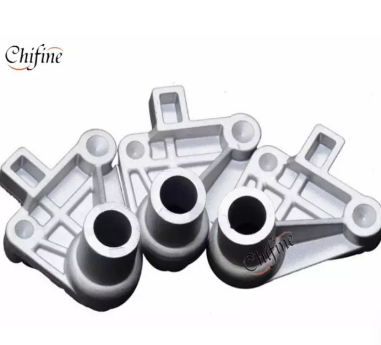
Introduction Choosing the right aluminum casting alloy is crucial to the success of your project. A380 and A356 are two of the most commonly used alloys, each with unique properties.
Read More 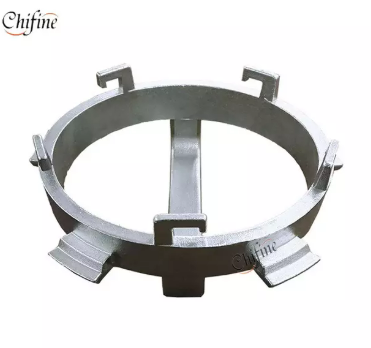
Introduction Aluminum castings are essential across various industries due to their durability and lightweight nature. However, without proper cleaning, they can lose their luster and functionality.
Read More 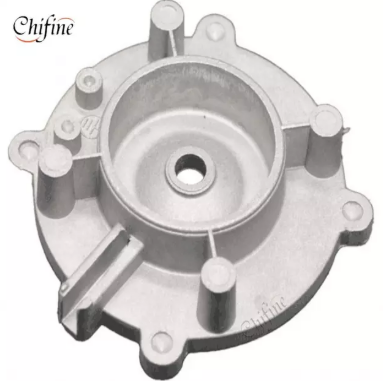
Introduction Aluminum casting is essential for mass production across industries. But which process works best for large-scale manufacturing? HPDC and Permanent Mold Casting each offer distinct advantages.
Read More 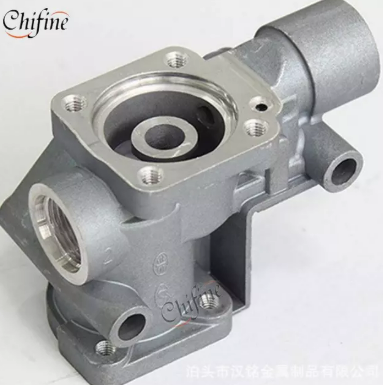
Introduction Lost-wax casting is an ancient method known for its precision in creating detailed metal objects. From jewelry to aerospace, this technique is highly valued across industries.
Read More 
Iron casting is one of the most versatile manufacturing processes, enabling intricate designs and durable components without additional fabrication. Among the many materials suitable for casting, iron and steel are widely used for their strength, toughness, and reliability.
Read More 

 English
